stop the addiction
music and drugs: a case study

today you will explore the effects of substance abuse in the music industry.the relationship between the two has been constantly studied and become extremely relevant in the 21st century; their effects on each other have become undeniable.hopefully, by the end of this journey, you will be able to understand the extent to which the music industry affects substance abuse
click me!
introduction
since the early 20th century, drug references have appeared in music, first being popularized through the saying "wine, women, and song" by British singer Ian Dury in the 1930s.however, the popularity of substance references in music only became part of the mainstream media after the youth counterculture of the 60s; the ideas of substance usage became sufficiently supported to find its way in nationally celebrated music, such as works by the Beatles or The Who.following into the 21st century, the rise of drug references in music has proven to become increasingly common, as both music and substances become more accessible.musical artists began to depend on substances more; as an effect,
__ artists reference differenct substances and their abuse of them because artists base their work on life experiences. __in our modern times, the most popular musical genres such as pop, rap/hip-hop, country, and rock all contain an abundance of substance abuse references.these substance abuse references have become an integral part of mainstream music, and have had side effects on many audiences; peer pressure, curiosity, and accessibility have all created a perfect storm for an uptick in substance abuse in musical communities.
national statistics:
**reported substance disorders are present in 12.9% of the music industry **
-american addiction center
Among people aged 12 or older in 2019, 57.2 million people used illicit drugs in the past year
-United States 2019 National Survey on Drug Use and Health
in 2016, approximately 8% of teens used tranquilizers and sedatives, including xanax.
-monitoring the future survey
People in the US spend 26.9 hours per week listening to music on average.
-national common sense media survey
drugs & music over time:
Historically speaking, drug use and music have always gone hand in hand: As music referencing drugs becomes more popular, so does the amount of drug usage.this most notably happened in between 2000 and 2013, when drug mentions spiked 5% and drug usage spiked 8.2%.This relationship between drugs and the music industry is especially evident within the US, most notably during President Nixon’s “War on Drugs'' campaign during the Golden Age of rock and roll in the 1970’s. both drugs and rock and roll flourished in this era, and got to the point of national government interference.certain genres mention certain substances more often than others; country, rock, & pop music mention mariguana the most, while jazz mentions acid most often and folk frequently sings about cocaine.The presence of specific drugs in music causes the use of these drugs within communities to rise, and can negatively affect the societal sectors that listen to certain musical genres the most.
factors that can lead to addiction:
for artists, their life can be very stressful; between touring, constantly attempting to stay relevant, creating new music/media content, and appealing to a general audience, these people begin to feel immense pressure and isolation from the outer world. along with the other factors below, this can create a very enticing atmosphere for drug abuse to become more common.environment: It is common for musicians to be in an environment where drugs and alcohol are prevalent. Due to their performance schedules, they typically play during nighttime hours, and for emerging musicians, they often perform at bars or clubs where they are surrounded by individuals who are intoxicated or under the influence. Moreover, musicians of all levels are frequently immersed in a social scene that promotes drug and alcohol use, creating an atmosphere where it can be challenging to resist temptation.financial instability + revenue: Aspiring musicians often face low pay and an inconsistent work schedule, which can result in considerable stress and depression, prompting many to turn to drugs or alcohol as a form of self-medication. Meanwhile, established musicians may also feel similar pressures due to demands from their record label and the challenge of producing a successful album.opinions & social media: Regardless of their career stage, musicians may encounter adverse feedback on their music, appearance, and other aspects of their lives on social media. This persistent exposure to criticism, even while in the comfort of their own homes, can have an adverse impact on their mental well-being, which may exacerbate substance abuse issues.lack of adequate sleep: Insufficient sleep and incessant work without adequate breaks, particularly during tours, can harm mental health and exacerbate pre-existing disorders. This applies not only to performers but also to backstage workers like stagehands. During tours, they may have to endure uncomfortable sleeping conditions and share lodging with numerous individuals, which can make it difficult to get proper rest. Furthermore, working exclusively at night can disturb their natural sleep-wake cycle, also known as circadian rhythm.wealth, fame, and image: Musicians who are famous and well-known often have the financial resources to support their bad habits. Substance abuse, such as drugs and alcohol, can be costly, but they can easily afford it, removing one obstacle that might discourage them from continued use. Furthermore, their celebrity status can lead to offers of drugs and alcohol, making it difficult for them to avoid temptation.relationships: The demanding nature of work schedules can negatively impact personal relationships with loved ones, including partners, friends, and family. For those working in certain environments, jealousy from romantic partners can be a common issue that adds significant mental strain and stress.isolation: Musicians often experience feelings of loneliness due to separation from loved ones and a lack of meaningful relationships while on the job. This can lead some to turn to drugs or alcohol as a coping mechanism to counteract the negative emotions associated with isolation.
visual references:
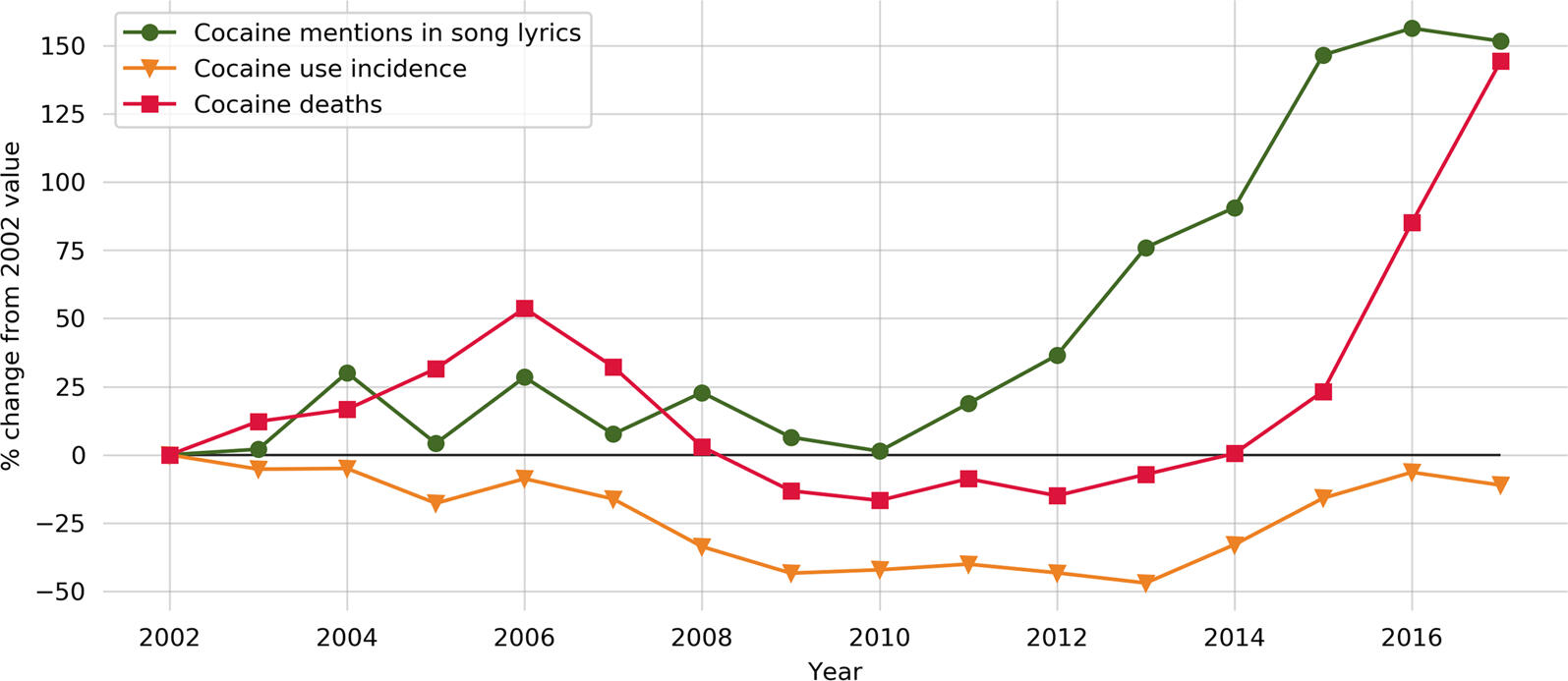
according to NPJ medicine, the mention of cocaine and the deaths due to cocaine are directly proportional and reached an all-time high in 2016. coincidentally, the weeknd's song "face", that is a direct homage to using cocaine and "[not feeling] your face" was nominated for a teen's choice award that same year; a year prior, the song sat at #1 on the top 100 billboard for three consecutive weeks.
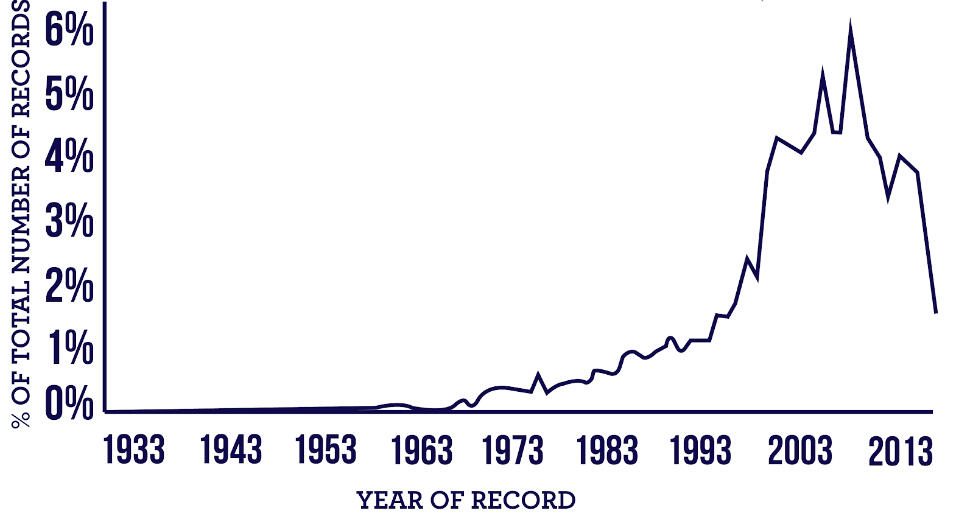
↑ this graph from the national addiction center shows the total percentage of records that mention substances and the progression of the trends over time.
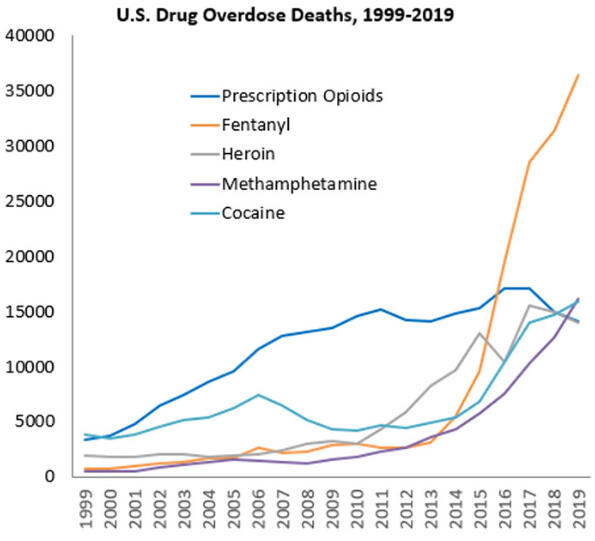
the CDC has projected below the direct correlation between drug overdose deaths and the mention of drugs in records. the general upticks in both are apparent and even the year-by-year view is directly proportional. ↓
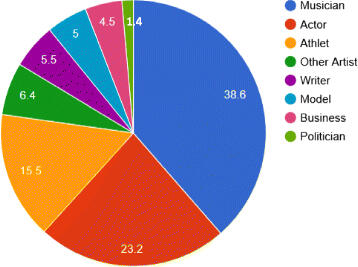
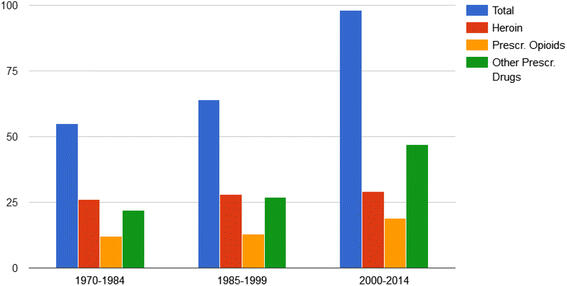
↑ a cross-referenced study demonstrates that musical artists are the highest celebrity group to pass away from substance abuse from 1970-2016.
the same study shows that the total amount of drug-related artist deaths has close to doubled since 1970. ↓
movements:
Numerous musical artists, who were raised in drug-filled environments, have depicted drug use positively through their music.Yet, in recent times, certain artists have chosen to highlight the negative effects of addiction and mental illness, as part of their mission to raise awareness and reduce the social stigma attached to substance use disorders. issues that had not been openly talked about, such as anxiety and depression, have now come to light in an effort to promote understanding and eradicate societal shame surrounding such conditions.one of the most notable cases of this was in 2017, when a song titled "1-800-273-8255" was released by the rapper Logic with the aim of raising awareness about suicide, which is often linked to mental health disorders and drug addiction. According to CNN, the performance of this song by Logic at the 2017 MTV Video Music Awards led to a 50 percent increase in calls made to the National Suicide Prevention Lifeline.the #freebritney movement was also a major example of the music industry breaking down an artist into substance abuse and mental health issues. after britney spears went through a rough period of her life that stemmed from childhood fame, pressure, and hollywood's habits of forcing children to grow up too quickly, she had a few public breakdowns and legal issues. she had several incidents, most notably a hit-and-run charge. these instances caused problems for her label and reputation, so her family signed her under a conservatorship. the conservatorship essentially prevented britney from being in control of her own life, and she was allegedly isolated and drugged for months on end. britney is still in the process of becoming truly free, and now she has a large group of supporters who are raising awareness about conservatorships. because of the music industry's breakdown of britney spears' mental health, she was effectively forced to endure a life of control and isolation.
substance talk within the rap community:
“You have certain artists portraying these trends and don’t really have that lifestyle and then it gives off the wrong thing.”
-kendrick lamar“Motivating factors for young people include esteem, respect, power, control and sex. when drugs and alcohol are paired with those factors, that’s when influence transforms a bit more.”
-eric beeson, northwestern university“That’s when I knew; I either get help, or I am going to die. As a father, I want to be here for things. I don’t want to miss anything else.”
-Eminem“You look out in the puddles on the curbs — crack vials are littered in the side of the curbs. You could smell it in the hallways, that putrid smell; I can’t explain it, but it’s still in my mind when I think about it.”
-jay-z“A lot of times, music is a way to communicate the existence of a culture,” said Beeson. “And [rap artists] often use their music to communicate and cope with the reality of that culture and the community they grew up in.”
-eric beeson, northwestern university
how to help:
the best way to prevent substance abuse is to dedicate time to educate your loved ones about the effects of addiction, and donate your time and/or money to organizations that directly support and finance effective rehabilitation/therapy.substance abuse does not have a specific look, which means it is important to note the warning signs of addiction, and be comfortable with having uncomfortable conversations instead of tragic situations.down below is a compiled list of resources to seek and provide help, time, money, and compassion for those who need support in dark times.
hotlines & online resources
support groups
take action
resource & monetary donations